
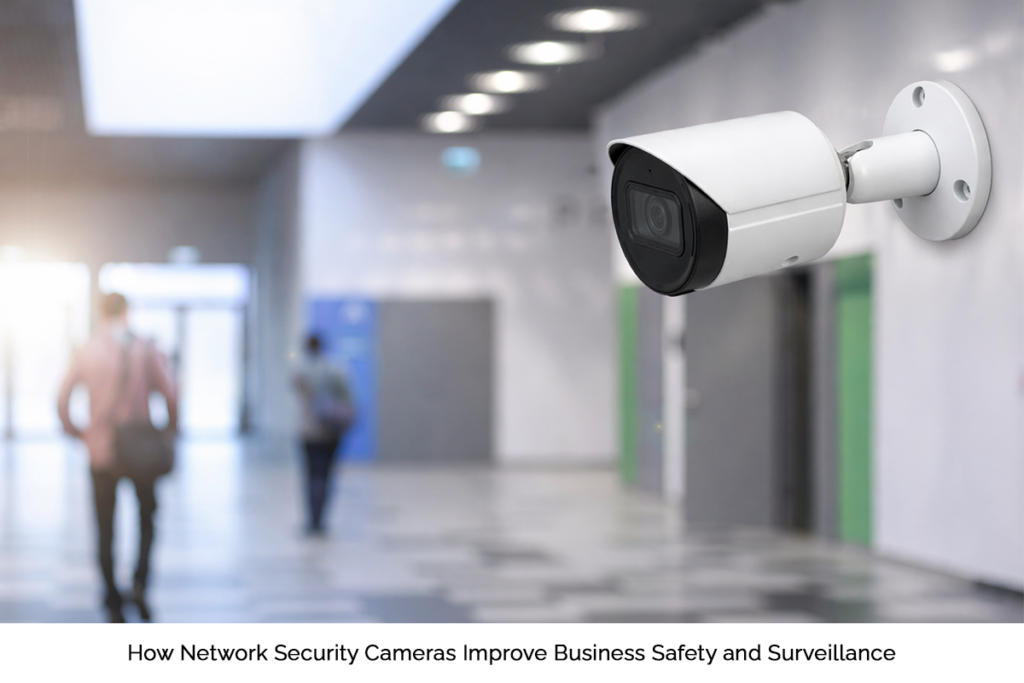
Security isn’t just a precaution anymore; it’s an operational necessity. Businesses deal with more than external threats. Internal risks, compliance requirements, and liability concerns all add pressure.
That’s where Network Security Cameras come in. Not as passive recording tools, but as active systems that monitor, analyze, and respond in real time. They change how businesses approach safety; quietly, but significantly.
Real-Time Monitoring Changes Everything
Traditional systems record incidents. You review them later. Damage already done.
With Network Security Cameras, the approach shifts. Live monitoring allows business owners and managers to:
- View multiple locations remotely
- Respond instantly to suspicious activity
- Receive alerts when unusual behavior is detected
It’s not just surveillance; it’s situational awareness.
A retail store, for example, can monitor shop floors and storage areas simultaneously. A warehouse manager can check operations without being physically present. Small shift. Big impact.
Improved Incident Prevention
Visible security changes behavior. Employees stay more accountable. Visitors act more cautiously.
Network-based systems go further. Motion detection, activity zones, and smart alerts help identify risks before they escalate.
Instead of reacting to theft or vandalism, businesses can prevent it. Cameras become a deterrent; not just a recorder.
That’s a key reason Network Security Cameras are now standard in high-risk environments like logistics hubs and commercial complexes.
Better Evidence and Accountability
When incidents do happen, clarity matters. Blurry footage doesn’t help. Missing angles don’t either.
Modern camera systems provide:
- High-definition video
- Timestamped recordings
- Multiple viewing angles
This ensures incidents are documented accurately. Whether it’s a workplace dispute or external intrusion, businesses have reliable evidence.
In many cases, this reduces disputes, speeds up investigations, and supports insurance claims.
Remote Access and Control
Business doesn’t stop when you leave the premises. Neither should security.
One of the biggest advantages of Network Security Cameras is remote accessibility. Through secure apps or dashboards, users can:
- Check live feeds anytime
- Review recorded footage
- Receive instant notifications
This is especially valuable for multi-location businesses. Owners can monitor operations across sites without constant travel.
Security becomes centralized. Control stays in your hands.
Integration with Modern Security Systems
Cameras no longer operate in isolation. They’re part of a broader ecosystem.
Network-based systems integrate with:
- Alarm systems
- Access control systems
- Motion sensors
This creates a layered security approach. For instance, if an unauthorized entry is detected, cameras can automatically record and send alerts simultaneously.
Such coordination strengthens overall surveillance effectiveness. It’s not just about watching; it’s about responding.
Supporting Workplace Safety
Security isn’t only about theft or intrusion. It’s also about employee safety.
Cameras help:
- Monitor hazardous areas
- Ensure safety protocols are followed
- Review incidents for compliance
In industries like manufacturing or warehousing, this becomes critical. Footage can be used to identify risks, improve training, and prevent future accidents.
It adds a layer of accountability; quiet, constant, and necessary.
Scalable and Future-Ready Solutions
Businesses grow. Security needs change.
Network-based systems are built for scalability. New cameras can be added without redesigning the entire setup. Storage can expand. Features can be upgraded.
This flexibility makes Network Security Cameras a long-term investment rather than a short-term fix.
You don’t outgrow the system; it evolves with you.
Data Security and Compliance
Surveillance data isn’t just footage; it’s sensitive information.
Modern systems include:
- Encrypted data transmission
- Secure storage options
- Controlled user access
These features help businesses meet compliance standards and protect privacy.
Without proper safeguards, surveillance can create risks instead of reducing them. Network systems address that gap.
Cost Efficiency Over Time
At first glance, advanced systems may seem expensive. But over time, they reduce:
- Losses due to theft
- Operational inefficiencies
- Investigation costs
Fewer incidents. Faster resolutions. Better oversight.
The return isn’t always immediate; but it’s measurable.
Final Thoughts
Security today demands more than cameras mounted on walls. It requires systems that think, connect, and adapt.
Network Security Cameras provide that shift. They improve visibility, strengthen response, and support safer business environments; without constant manual oversight.
For businesses serious about long-term safety and surveillance, the question isn’t whether to adopt these systems.
It’s how soon they can be implemented; before risks turn into real losses.